


[:en]

Sanlucar´s city layout, which has grown throughout the centuries, still lets us feel each neighborhoods personality. In the gastronomical aspect, although the best examples are found throughout the whole city, we can point out three interesting areas thanks to the number of cuisine establishments there and also due to socio-cultural aspects surrounding them.
One of these areas is in the center of the city, being comprised of all of the streets and squares around the perimeter. This area is very busy and full of shops. The busiest hours are when people go out to eat in one of the many establishments, from breakfast until supper, passing through hour that serves appetizers and coffee with pastries or ice cream. The fresh produce market is where the majority of the hustle comes from, and also the Cabildo and San Roque Square that are full of life.

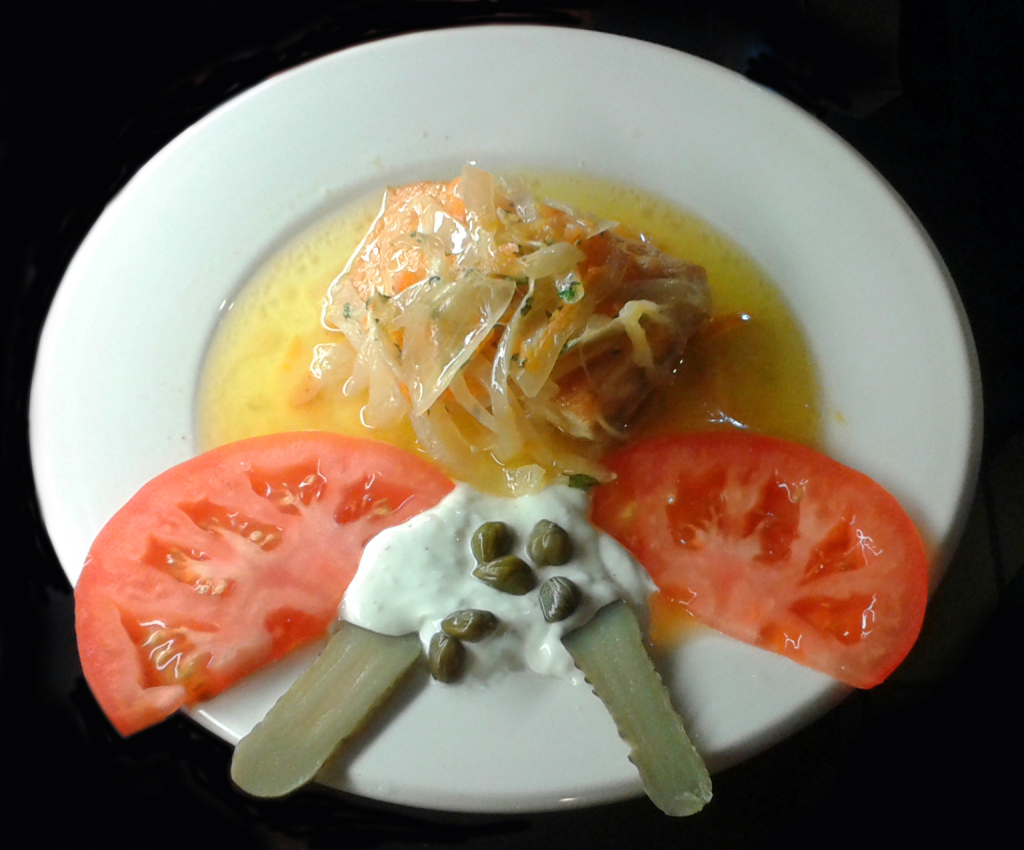
The cuisine of the main traditional production sectors has a foundation on products found at their work environment, those related with the river, Doñana and generally fishing. That is why our plates are full of fish, mollusks and crustaceans from the mouth of the river. Due to this, the Bajo de Guia seafront, a popular fisherman’s quarter, that once was formerly the fisherman´s berth for their boats and where the fish auctions where held, today is the showcase of the best traditional fish and seafood cuisine of the Andalusian coast. The fresh fish and seafood, captured only a few hours beforehand, is prepared as a delicious stew, with or without rice, vegetables or manzanilla. The rice with seafood, the dogfish en Yellow or the famous langostinos (king prawns) from Sanlúcar, are the typical fisherman´s stews.

Amongst noble homes, wineries and historical gardens, the Barrio Alto (High District), has also been home for vineyard owners and farmers. They nourished the vegetable gardens, navazos and dry lands. The famous picadillo, the ajo campero or the tomato soup are typically found in the farmers’ diet. This neighborhood still preserves old wineries and traditional local bars. Here you can pair tapas with mosto, manzanilla and amontillado wines, deepening the gastronomical experience. Each season of the year has its tapas: the boiled potatoes, the ajo campero and the cabbage go with the mosto in the winter; in spring the snails; and in summer you can enjoy salads and aliños.

Finally the Ventas, in the surroundings of the center of the town, are also clear examples of good local cuisine, where fish stews and small game meats can be tasted.
[:es]
La trama urbana de Sanlúcar, ampliada a lo largo de los siglos, aún nos deja sentir la propia personalidad de cada barrio. En el ámbito gastronómico, y aunque los buenos ejemplos se encuentran a lo ancho de toda la ciudad, destacamos tres centros que son de interés tanto por el número de establecimientos hosteleros como por las características socioculturales y paisajísticas de su entorno.
Uno de ellos es el propio centro urbano de Sanlúcar, comprendiendo este espacio siempre con una mirada amplia que abarcaría a todas las calles y plazas que se extienden en su perímetro. Este lugar está dominado por el ajetreo y la labor comercial, y sus horas más animadas las señala la actividad culinaria, desde el desayuno hasta la cena, pasando por las horas de aperitivos y la del café con dulce o helado. El cercano mercado de abastos es la fuente de donde proviene toda esa agitación y las plazas del Cabildo y San Roque donde se encuentra su mayor animación.
Como los sectores productivos tradicionales basan su cocina en los productos que se encuentran en su medio laboral, aquellos que están relacionados con el río, Doñana y la pesca en general aportan a sus platos pescado, moluscos y crustáceos de la desembocadura del Guadalquivir. Por este motivo, el paseo marítimo de Bajo de Guía, popular barrio marinero, que antaño fuera fondeadero de los barcos de pesca y donde se celebraba la subasta del pescado, hoy se ha convertido en escaparate de la mejor gastronomía marinera de las costas andaluzas. El pescado y el marisco fresco, capturados hace unas horas, sale a las mesas convertidos en sabrosos guisos, bien solos o condimentados con arroz, hortalizas o manzanilla. El arroz con mariscos, el cazón en amarillo o los célebres langostinos de Sanlúcar, tienen en este lugar su distinguido marco marinero.
El Barrio Alto, entre casonas señoriales, bodegas y jardines históricos, ha sido también hogar de los viñistas y agricultores. Éstos afrontaban sus labores con el sustento de las huertas, navazos, y tierras de secano. El popular picadillo, el ajo campero o la sopa de tomate se encontraba entre las viandas del campesino. En este barrio se conservan añejos despachos de vino y tradicionales bares de sabor local. Aquí las tapas acompañan al mosto, la manzanilla y el amontillado, enriqueciendo la experiencia gastronómica. Y cada época del año tiene sus tapas: las papas cocidas, el ajo campero y la berza acompañan el mosto en invierno; en primavera los caracoles; y en verano disfrutamos de las ensaladas y aliños.
Finalmente las Ventas, en el entorno del núcleo urbano, también son claros exponentes de la buena gastronomía local, donde destacan sus guisos de pescado y carnes de caza menor.
Folleto «Sanlúcar de Barrameda y la Gastronomía»
Enlace de interés
http://www.cosasdecome.es/donde-comer-sanlucar/
Vanitatis «Un paseo gastronómico por Sanlúcar»
Blog: Cocinando por Sanlúcar.es
[:]